How to Protect Flagstone and Pavers when using Ice melt
- Steps to protect the surfaces from potential damage.
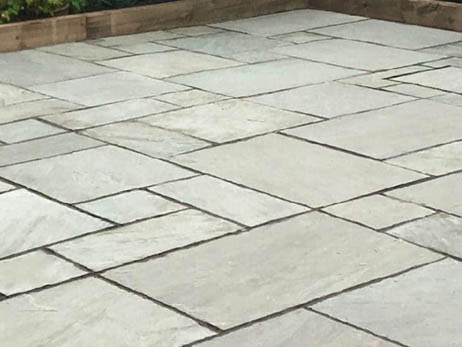
When using ice melt on flagstone and pavers, it's important to take steps to protect the surfaces from potential damage, as many ice melts can be harsh on natural stone and concrete over time. Here are some tips to help you protect your flagstone and pavers:
1. Choose the Right Ice Melt:
- Avoid rock salt (sodium chloride): Rock salt is one of the most damaging options for natural stone and pavers because it can cause surface discoloration, staining, and deterioration.
- Use a pet-safe or eco-friendly ice melt:Look for products that are labeled as safe for concrete, stone, or pavers. Calcium magnesium acetate (CMA) is less harsh than sodium chloride and is a safer option for most surfaces. Also, products with potassium chloride are gentler than sodium chloride.
- Calcium chloride: This should be avoided as it can also cause damage to stone over time. It can also create a slippery film as it melts, making it dangerous to walk on.
2. Apply Ice Melt Sparingly:
- Only apply the ice melt when necessary and in moderation. Excessive use of ice melt can cause a build-up of salts on the surface, which can lead to staining and deterioration over time. Spread it in a thin, even layer.
- Always follow the manufacturer’s instructions regarding the recommended amount to use.
3. Use a Protective Barrier:
- Sand or kitty litter: For traction, consider using sand or environmentally friendly cat litter instead of ice melt. Sand and litter won't damage your flagstone or pavers and can help prevent slips without the risk of corrosion or staining.
- Rubber mats:For areas where ice melt is absolutely necessary, consider using rubber mats to protect the surfaces. They can absorb some of the impact and protect the stone or pavers from direct contact with the ice melt.
4. Shovel First, Then Apply:
- Shovel excess snow or ice first: Before using any ice melt, clear off as much snow or ice as you can manually with a shovel or a snow blower. This reduces the amount of ice melt you'll need and minimizes the potential for damage.
- If ice melt is necessary after snow removal, apply it sparingly to prevent buildup.
5. Seal the Surface (Optional):
- Consider sealing your flagstone or pavers with a high-quality, breathable sealant. Sealing will help prevent moisture infiltration, reduce staining, and make it easier to clean off ice melt residue. However, be sure to use a sealant that’s appropriate for the type of material you have (stone, concrete, etc.) and follow the manufacturer's instructions.
6. Rinse After Use:
- Once the ice has melted and the weather warms up, rinse the flagstone or pavers thoroughly with water to remove any residual salt or chemicals. This helps prevent buildup that could damage the surface over time.
- For natural stone, you might want to use a mild cleaner designed for stone surfaces if you notice a salt stain or white residue (efflorescence).
7. Monitor Temperature:
- Avoid using ice melt on your flagstone or pavers when the temperature is extremely low (below 15°F or -10°C). Most ice melt products are less effective in these conditions, and some can cause damage to the surface if they don’t work properly.
By taking these precautions, you can help protect your flagstone and pavers while still keeping your walkways safe and ice-free.
Back to top >>

 English
 Español